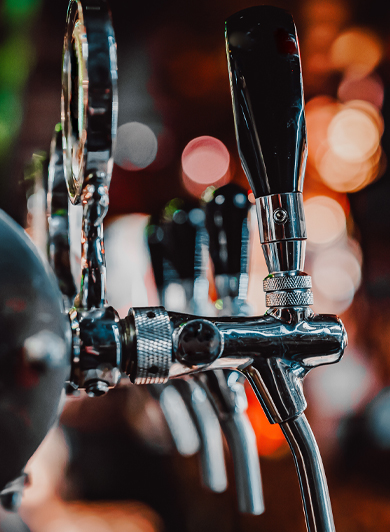

CO₂ pressure for a soda fountain is an important part of drink quality, equipment performance, and day-to-day reliability. If pressure is too low, a fountain may produce flat drinks, weak syrup flow, or inconsistent portions. If pressure is too high, it can contribute to excessive foaming, difficult dispensing, regulator problems, or unnecessary stress on system components.
There is no single pressure setting that works for every soda fountain. The correct setting depends on the type of system, the carbonator, syrup delivery method, line length, temperature, equipment manufacturer, and the requirements of the beverages being dispensed. Understanding the role of CO₂ can help operators recognize problems, but adjustments should be made carefully and according to the equipment specifications.
What CO₂ Does in a Soda Fountain System
A commercial soda fountain typically uses CO₂ in two related ways: carbonating water and helping move syrup from its container to the dispensing equipment. The carbonator combines water and CO₂ to create carbonated water. The dispensing system then blends that carbonated water with flavored syrup at the soda valve.
In some installations, CO₂ also provides the pressure needed to move syrup from bag-in-box containers. Other systems use a different pump arrangement, such as a water-driven or mechanical pump. This means the pressure required for one part of the system may not be the same as the pressure required for another.
Because soda fountain systems can include several regulators, pumps, valves, and supply lines, pressure should be evaluated as part of the complete setup rather than by changing one regulator without checking the rest of the equipment.
What Is the Typical CO₂ Pressure for a Soda Fountain?
Many commercial soda fountain systems operate with CO₂ pressure in a broad range of approximately 60 to 120 pounds per square inch, or PSI. The appropriate setting may be lower or higher depending on the equipment design and the function being supplied. A common operating range for carbonated water and syrup systems is often around 70 to 100 PSI, but these figures are general reference points—not universal adjustment instructions.
The equipment manufacturer’s specifications should take priority over any general range. A technician may also consider the distance between the CO₂ source and the fountain, the temperature of the water, the number of valves being used, and whether the system has a dedicated regulator for syrup pumps or carbonation equipment.
Pressure readings should also be interpreted correctly. A regulator may show the pressure leaving the gas supply, while the pressure at the carbonator or syrup pump can differ because of restrictions, line length, fittings, or flow demand. A system can display an apparently normal static pressure and still have a problem when multiple valves are dispensing at the same time.
How CO₂ Pressure Affects Carbonation
Carbonation depends on more than pressure alone. The water must be sufficiently cold, the carbonator must be functioning properly, and the system must have an appropriate supply of CO₂. When these conditions are balanced, the fountain can produce drinks with consistent carbonation.
Low CO₂ pressure may cause:
- Flat or lightly carbonated beverages
- Slow recovery between drinks
- Weak performance during busy service periods
- Inconsistent carbonation from one valve to another
- Difficulty maintaining the intended drink profile
Higher pressure does not automatically solve a carbonation problem. If the water is too warm, the carbonator is not operating correctly, or the water supply has an issue, increasing CO₂ pressure may create additional foaming without delivering better carbonation. Temperature, water flow, gas supply, and carbonator operation all need to be checked together.
How Pressure Affects Syrup Delivery
For systems that use CO₂ to pressurize bag-in-box syrup, the gas pressure helps push syrup through the syrup line and toward the fountain valve. The required setting depends on the pump and syrup delivery equipment. Too little pressure can result in weak or intermittent syrup flow. Too much pressure may cause excessive flow, foaming, leaks, or stress on components that were not designed for that setting.
A syrup-related dispensing issue may not be a pressure issue at all. An empty or collapsed syrup bag, a kinked line, a clogged filter, a restricted fitting, or a problem with the syrup pump can produce symptoms that look like incorrect CO₂ pressure. Checking only the regulator can therefore lead to unnecessary adjustments without resolving the underlying cause.
Common Signs of Incorrect CO₂ Pressure
Operators may notice several warning signs when a soda system is not receiving the correct gas pressure. These symptoms can overlap, so they should be evaluated systematically:
- Flat drinks: Carbonation may be insufficient, or the carbonator may not be receiving the required water, gas, or temperature conditions.
- Excessive foam: Foam can result from excessive pressure, warm product, restricted lines, incorrect temperature, or a dispensing problem.
- Slow dispensing: Low supply pressure, a restricted line, an empty syrup container, or a failing pump may be involved.
- Inconsistent drink ratios: A syrup flow issue, water pressure problem, clogged valve, or equipment calibration issue can affect the mix.
- Hissing or suspected leaks: Gas escaping from a connection, regulator, line, or fitting requires prompt attention.
- Pressure that drops during service: The cylinder or bulk supply may be low, the regulator may be malfunctioning, or the system may not be sized for demand.
Why Temperature and Line Design Matter
Cold water holds dissolved CO₂ more effectively than warm water. If the water entering the carbonator is too warm, the system may produce more foam and less stable carbonation even when the regulator setting appears correct. Refrigeration, water supply conditions, and the design of the beverage lines all influence final drink quality.
Line length and routing also matter. Longer lines, unnecessary bends, restrictive fittings, and poorly matched components can affect flow. A fountain with multiple dispensing valves may need a system designed to maintain stable performance during peak demand. The correct pressure is therefore part of a broader system design that includes gas supply, water, syrup, refrigeration, valves, and maintenance access.
CO₂ Regulators and Pressure Zones
A soda fountain may use one regulator for the main CO₂ supply or separate regulators for different parts of the system. Dedicated pressure zones can help the installation meet the specific requirements of carbonated water production and syrup delivery. The exact arrangement depends on the equipment and the way the beverage system is installed.
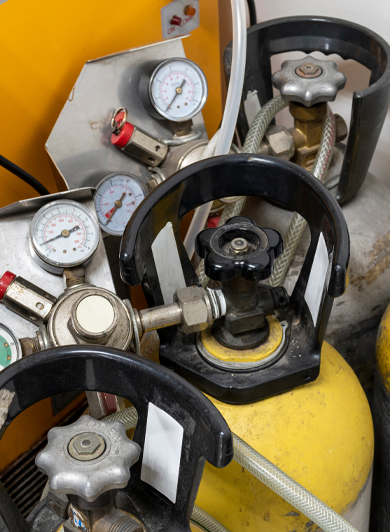
Regulators should be kept accessible and monitored for stable readings. A damaged gauge, fluctuating reading, frozen regulator, or pressure that does not respond normally to adjustment can indicate a component problem. Operators should not bypass a regulator or attempt to compensate for a suspected blockage by continually raising pressure.
Safe Handling and Adjustment Practices
CO₂ is stored under pressure and should be handled with appropriate care. Cylinders and supply equipment must be secured, connections should be compatible and tight, and the installation should have adequate ventilation. CO₂ can displace oxygen in an enclosed area, so suspected leaks should be treated seriously.
Before changing a pressure setting, identify which regulator controls the affected equipment and review the manufacturer’s requirements. Make only small, controlled adjustments while observing the system under normal operating conditions. If the pressure problem is accompanied by a leak, damaged fitting, unstable regulator, or unexplained loss of gas, stop troubleshooting and arrange professional service.
When a Soda Fountain System Needs Professional Service
Professional help is appropriate when a system has recurring carbonation problems, inconsistent syrup flow, multiple pressure regulators, unexplained gas loss, or performance issues that appear only during busy periods. A qualified beverage system provider can evaluate the complete installation instead of treating one symptom in isolation.
Service may include reviewing the CO₂ supply, regulators, carbonator, pumps, beverage lines, syrup connections, dispensing valves, refrigeration, and overall system layout. Installation planning is especially important for a new fountain, a renovation, a menu expansion, or a venue that needs additional dispensing capacity.
Perfect Pour Draft Inc provides Soda Fountain Systems, Soda & Gas Systems, CO₂, N₂ & Beverage Gas Distribution, Soda Guns & Dispensing Equipment, Bag-in-Box Syrups, and Soda System Leasing & Installation. The company designs, installs, and maintains draft beer, soda, and gas systems for bars, restaurants, and commercial venues, and also provides Coca-Cola® soda systems.
A Practical Checklist for Stable Soda Fountain Pressure
- Confirm that the CO₂ supply is available and the cylinder or source is not empty.
- Check the regulator gauge for a stable reading during both idle and dispensing conditions.
- Inspect connections and lines for visible damage, kinks, or suspected leaks.
- Verify that syrup containers are properly connected and not empty or collapsed.
- Check whether the issue affects one valve or the entire fountain.
- Consider water temperature and carbonation performance, not pressure alone.
- Use the equipment manufacturer’s specifications before changing settings.
- Contact a beverage system professional when the cause is unclear or the problem returns.
Getting the Right CO₂ Setup for Your Fountain
The best CO₂ pressure for a soda fountain is the pressure that matches the equipment, beverage program, and installation design. Rather than relying on a single number, operators should look at carbonation, syrup delivery, temperature, line layout, gas supply, and performance under actual service conditions.
For help with soda fountain installation, CO₂ and beverage gas distribution, or system service, call Perfect Pour Draft Inc at 1-914-447-4926 or visit perfectpourdraft.com. A properly planned and maintained soda system can make dispensing more consistent and give staff a dependable setup for everyday service.