What does “draft beer” mean? Draft beer is beer served from a keg or another bulk container through a dispensing system rather than poured from an individual bottle or can. The system uses connected components—including a keg, gas supply, beer lines, cooling equipment, and a dispensing faucet—to move beer from storage to the customer’s glass.
For a bar, restaurant, or commercial venue, draft beer is more than a tap mounted on a counter. A dependable pour depends on the complete system working together. The beer must be stored at an appropriate temperature, the gas pressure must be managed, the lines must be clean, and the equipment must be configured for the space and beverage program.
What is draft beer?
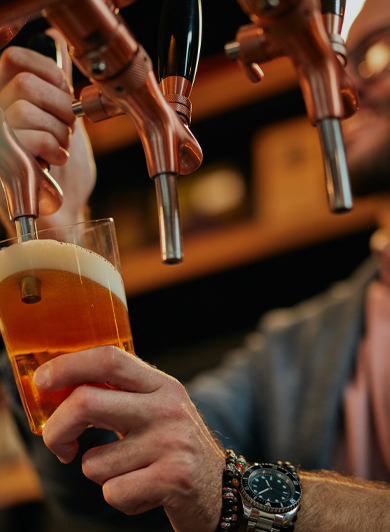
Draft beer, also called draught beer, is beer dispensed from a keg or similar container through a tap system. When a customer orders a draft beer, the beverage travels through a beer line and exits through a faucet into a glass. A gas system helps push the beer from the keg toward the tap while the refrigeration setup helps maintain the serving temperature.
The term describes the dispensing method, not one particular beer style. A draft menu may include lagers, ales, stouts, ciders, or other beverages, depending on the operator’s selection and the equipment configuration. The right system should be planned around the number of products being served, the distance between storage and taps, the available space, and the operating needs of the business.
What does a complete draft beer system include?
A complete draft beer system brings several pieces of equipment together so a business can store, cool, transport, and serve beer. The exact setup varies by location, but common components include:
- Kegs or beverage containers: These hold the beer until it is ready to be connected to the dispensing system.
- Couplers: A coupler connects the keg to the beer and gas lines. Different products may require different connection types.
- Beer lines: These carry beer from the keg or storage area to the faucet.
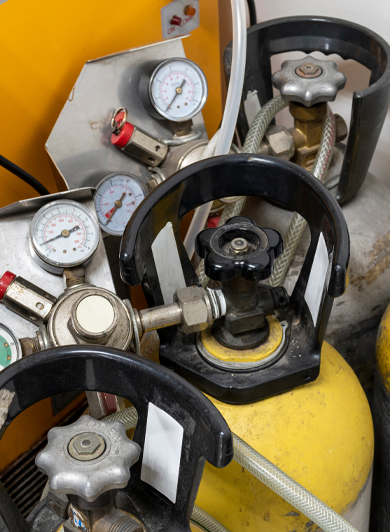
- Gas equipment: A gas supply, regulator, and related components help move the beer through the lines at an appropriate pressure.
- Refrigeration: Coolers or other refrigeration equipment help keep the beer at a suitable serving temperature.
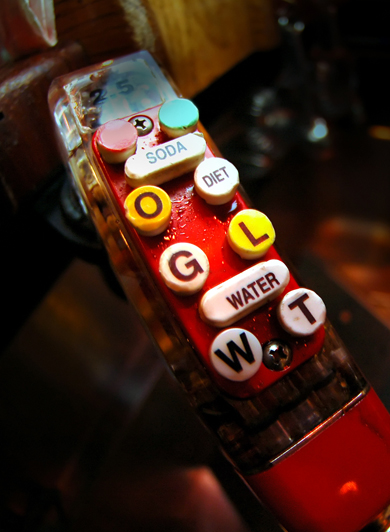
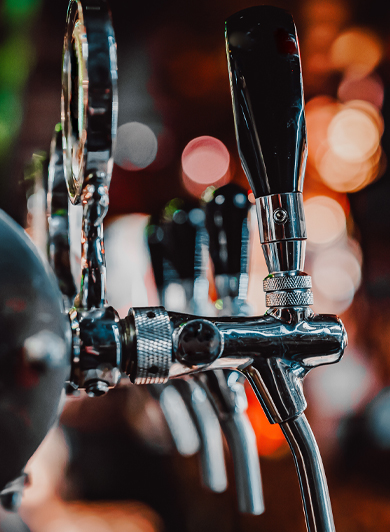
- Shanks, towers, and faucets: These are the dispensing components that connect the beer lines to the point of service.
- Drip trays and related accessories: These help manage spills and keep the serving area more orderly.
Because each component affects the others, a complete system should be treated as one coordinated installation. For example, a long beer line may require different planning than a tap located close to the keg cooler. The gas arrangement, line routing, cooling method, and faucet layout all influence day-to-day performance.
How a draft beer system works
A draft system begins with beer stored in a keg or another container. The coupler connects the keg to the system, while the gas side introduces pressure into the container. That pressure pushes beer into the beverage line. From there, the beer travels through the cooled system toward the faucet.
When the faucet is opened, beer flows into the glass. The goal is a steady pour with the intended balance of beer and foam. Achieving that result requires more than simply increasing or reducing gas pressure. Temperature, line condition, line length, fittings, faucet operation, and the beer itself can all affect the pour.
A properly planned system also considers the route between the refrigerated storage area and the serving location. A business may need a short, direct connection, or it may need a more involved arrangement for multiple taps, remote storage, or a larger service area. A complete draft beer systems provider can evaluate these requirements before equipment is installed.
What is involved in complete draft beer system installation?
Installation starts with understanding how the business intends to use the system. The planning process may consider the number of taps, the type of venue, the available space, keg access, refrigeration needs, gas requirements, and the preferred location of the dispensing equipment.
After the layout is established, the equipment can be selected and positioned. This may include refrigeration, gas components, beer lines, towers, faucets, couplers, and other dispensing hardware. The lines need to be routed carefully, with attention to accessibility and future service. Connections should be organized so operators can identify products and perform routine checks.
Once the system is connected, it should be checked for proper operation. This includes reviewing the gas setup, verifying cooling, inspecting connections, checking the pour, and making sure the dispensing area functions as intended. A clear handoff can also help staff understand basic operating practices, cleaning responsibilities, and signs that service may be needed.
Where are complete draft beer systems used?
Complete draft beer systems can support many commercial beverage environments. Common use cases include:
Bars and pubs
Bars often need multiple taps in a compact service area. A planned system can help organize beer lines, gas equipment, refrigeration, and dispensing hardware around the bar’s workflow and menu.
Restaurants
Restaurants may use draft beer as part of a broader beverage program. The system must fit the available back-of-house space while allowing staff to serve products consistently during busy service periods.
Event and commercial venues
Venues with changing events or high-volume service may need equipment designed around their traffic patterns, storage arrangements, and dispensing locations. Planning is especially important when the keg storage area and serving area are not close together.
New beverage programs
A business adding draft beer for the first time may need help selecting the basic system components and determining how they fit together. A complete approach can reduce the risk of overlooking gas, refrigeration, line, or maintenance requirements.
Benefits of a well-planned draft beer system
A complete draft beer system can provide operational benefits when it is properly designed, installed, and maintained.
- Consistent service: Coordinated equipment can support repeatable pours and a more predictable serving process.
- Efficient workflow: An organized tap and storage layout can make it easier for staff to connect products, serve customers, and manage the beverage station.
- Menu flexibility: Multiple taps can allow a business to offer several draft products from one dispensing area.
- Better use of space: System planning can account for the relationship between refrigeration, keg storage, gas equipment, and the bar or service counter.
- Serviceability: Accessible components and organized line routing can make inspection, cleaning, and repairs more manageable.
- Support for business growth: A system designed with the current beverage program in mind may be easier to evaluate and adjust as operational needs change.
These benefits depend on the system being matched to the venue. Equipment that works well in one location may not be the right choice for another. Tap count, line distance, cooling method, product selection, and service volume all matter.
Why beer line cleaning matters
Beer lines are in direct contact with the beverage, so routine cleaning is an important part of draft system care. Residue can build up inside lines and related components over time. If cleaning is neglected, the system may develop flow issues, off flavors, excess foam, or other serving problems.
Cleaning should be approached as regular maintenance rather than a one-time response to a poor pour. Operators should follow an appropriate cleaning schedule and pay attention to faucets, couplers, connectors, and other parts of the beverage path. When a system is difficult to clean or a recurring issue continues after cleaning, professional inspection may help identify the cause.
Common draft beer system problems
Several issues can affect draft beer service. Excessive foam may be related to temperature, pressure, line condition, equipment setup, or pouring technique. A slow pour may point to a restriction, connection problem, or line issue. Leaks can waste product and may indicate that a fitting, seal, or hose needs attention.
Inconsistent performance across taps can also signal that the system needs adjustment or maintenance. Instead of treating every problem as a gas-pressure issue, it is useful to review the complete system. Temperature, cleaning, line routing, couplers, faucets, and refrigeration should all be considered.
Planning a complete draft beer system in Manhattan
Manhattan businesses often need beverage equipment that works within practical space and workflow constraints. Before selecting a system, consider where kegs will be stored, how staff will access them, where refrigeration can be placed, and how far beer must travel to reach the taps.
It is also helpful to identify the intended number of draft products and whether the beverage program may change over time. Planning for access to lines and equipment can make routine cleaning and future service easier. A system consultation should address both the immediate installation and the ongoing requirements of operating it.
Next steps for choosing a draft beer system
Start by documenting the basics: the type of venue, the number of taps, the available refrigeration and storage space, the desired serving locations, and any current equipment. Note any existing issues such as inconsistent pours, warm product, recurring foam, or difficult-to-clean lines.
Next, discuss the layout and operating goals with a draft beer systems provider. The conversation should cover equipment selection, installation, gas requirements, refrigeration, line routing, cleaning, and future maintenance. A complete plan can help ensure that the components work together rather than being selected in isolation.
Perfect Pour Draft Inc provides complete draft beer systems for businesses in Manhattan, along with installation and equipment support, beer line cleaning, and draft beer repair and maintenance. Ready to discuss a complete draft beer system for your Manhattan business? Contact Perfect Pour Draft Inc at 1-914-447-4926 to talk through your beverage setup and next steps.