Foamy Draft Beer? Causes, Fixes & Beer Waste
Why Your Draft Beer System Is Producing Too Much Foam — and How Much It Could Be Costing Your Bar
Excessive foam isn't simply an annoying draft beer problem. It can reduce keg yield, slow down service and quietly eat into your bar's beverage profits.
A little foam is part of a properly poured draft beer. Too much foam is a different story.
For bar and restaurant owners, excessive foam can quietly become one of the biggest sources of beer waste behind the bar. Every over-foamed pint that gets dumped, topped off or repoured represents product you purchased but never sold.
And while bartenders are often blamed for foamy pours, the real problem may be somewhere inside the draft beer system.
Understanding what causes excess foam can help you reduce waste, improve beer quality, serve more consistent pours and protect your beverage profits.
Foam Is Often a System Problem — Not a Bartender Problem
When a draft beer suddenly begins pouring foamy, the natural reaction is often to adjust the pouring technique.
But if multiple bartenders are experiencing the same problem, the beer dispensing system itself should be investigated.
A properly designed and balanced draft system controls several variables at the same time, including:
🍺 Beer temperature
🍺 Gas pressure
🍺 Beer line resistance
🍺 Line length and diameter
🍺 Faucet condition
🍺 Refrigeration
🍺 Glycol system performance
🍺 Keg pressure
🍺 Draft equipment cleanliness
When one part of that system falls outside the proper range, the beer can release carbonation before it reaches the glass.
The result is foam.
And that foam can quickly turn into wasted beer.
Why Excess Foam Costs Your Bar Money
Consider what happens during a busy shift.
A bartender opens the faucet and half the glass fills with foam. They dump part of the beer, pour again, wait for the foam to settle and then top off the glass.
Multiply that process by dozens — or even hundreds — of pours throughout the week and the waste can add up quickly.
More Beer Goes Down the Drain
Beer that cannot be served becomes product loss.
Even small amounts of unnecessary waste on individual pours can reduce the number of sellable glasses a bar receives from each keg.
Service Becomes Slower
Foamy pours take longer.
Bartenders may need to wait for foam to settle, repour drinks or troubleshoot taps while customers are waiting.
During peak service periods, those extra seconds matter.
The Customer Experience Becomes Inconsistent
Customers expect their favorite draft beer to taste, look and feel consistent each time they order it.
A poorly performing draft system may produce excessive head, inconsistent carbonation, flat beer or incorrect serving temperatures.
Your Keg Yield Can Suffer
The goal isn't simply to empty a keg.
The goal is to turn as much of that keg as reasonably possible into correctly poured, sellable beer.
A well-performing draft system helps maximize usable keg yield.
1. Beer Temperature Is Too Warm
Temperature is one of the most important factors in draft beer performance.
Beer contains dissolved carbon dioxide. As beer becomes warmer, maintaining that carbonation in solution becomes more difficult, which can contribute to excessive foam at the faucet.
The problem may begin inside the cooler, but it can also occur anywhere between the keg and the tap.
In longer draft systems, beer lines may travel a significant distance before reaching the bar. If the beer warms somewhere along that route, foaming can occur even when the keg itself appears to be properly refrigerated.
This is why temperature should be evaluated throughout the dispensing system — not only inside the walk-in cooler.
2. Incorrect Gas Pressure
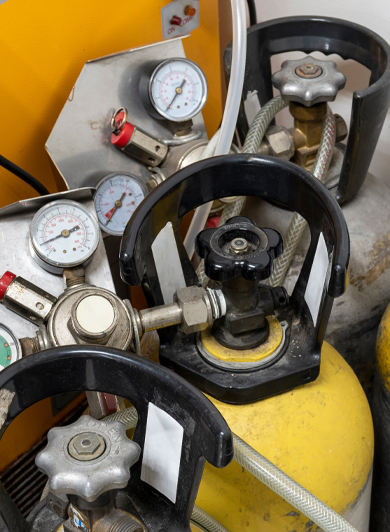
Draft beer systems rely on controlled gas pressure to move beer from the keg to the faucet while maintaining the appropriate carbonation level.
Too little pressure can create problems. Too much pressure can create problems.
The appropriate pressure can depend on factors such as the beer, system configuration, line resistance, temperature, elevation and the gas being used.
Commercial systems may use carbon dioxide, nitrogen or blended gas depending on the application.
Simply turning the regulator up or down whenever a tap begins foaming may not solve the underlying problem and can sometimes make system performance worse.
Pressure should be appropriate for the design and operating conditions of the draft system.
3. The Draft System Is Not Properly Balanced
A properly designed draft system balances the pressure pushing the beer with resistance created by the lines and dispensing equipment.
If these forces are not working together correctly, beer can travel through the system improperly or release carbonation before reaching the glass.
Common factors that can affect draft system balance include:
🍺 Incorrect beer line length
🍺 Improper tubing diameter
🍺 Incorrect regulator settings
🍺 Equipment changes
🍺 Added or relocated taps
🍺 Changes to the distance between the cooler and the bar
A system that worked correctly when it was originally installed can also experience problems after equipment, refrigeration or layout changes.
4. Dirty Beer Lines and Faucets
Draft beer equipment requires routine cleaning and maintenance.
Residue and buildup can accumulate inside beer lines, faucets, couplers and other draft system components.
Beyond affecting beer quality, buildup can interfere with the smooth movement of beer through the system.
Irregular surfaces and deposits can contribute to poor draft performance and unwanted foam.
Routine professional draft system cleaning helps protect beer quality while keeping dispensing components operating properly.
5. Problems With the Glycol System
Long-draw draft beer systems commonly use glycol cooling systems to help maintain beer temperature as the product travels from the keg cooler to the dispensing tower.
If the glycol system is not performing correctly, beer may begin warming before it reaches the faucet.
Possible issues can include:
🍺 Improper glycol temperature
🍺 Circulation problems
🍺 Pump issues
🍺 Insulation problems
🍺 Damaged trunk lines
🍺 Poorly maintained equipment
When the beer temperature changes somewhere along the route, foaming may appear at the tap even though everything seems normal inside the keg cooler.
6. Warm Faucets or Draft Towers
The final portion of the beer's journey matters too.
A warm faucet, shank or draft tower can contribute to foam as cold beer enters warmer dispensing equipment.
This may be especially noticeable when a tap has not been used for a period of time.
Proper cooling and equipment maintenance help keep temperature more consistent all the way to the point of dispense.
7. Keg and Coupler Problems
Sometimes the source of the problem is closer to the keg.
A damaged keg valve, improperly connected coupler, pressure issue or equipment malfunction can disrupt beer flow.
If excessive foam suddenly appears on one beer while nearby taps continue pouring normally, the keg, coupler and individual beer line may be worth inspecting.
Signs Your Draft System Should Be Evaluated
Bar owners and managers should pay attention when excessive foam becomes a recurring operational problem.
Warning signs may include:
🍺 Bartenders regularly dumping foam from glasses
🍺 Staff repeatedly adjusting regulators to correct individual taps
🍺 One or more beers consistently pouring poorly
🍺 Foam problems becoming worse during busy periods
🍺 Draft towers or faucets feeling noticeably warmer than expected
🍺 Staff reporting that certain kegs never seem to pour correctly
🍺 Unexplained differences between expected and actual keg yield
These symptoms can be clues that something inside the draft system needs attention.
Stop Treating Excessive Foam as Normal Beer Waste
Some product loss is part of operating any bar or restaurant.
Constant excessive foam should not automatically be accepted as a normal cost of serving draft beer.
If employees regularly dump foam from glasses, struggle with certain taps, repeatedly adjust regulators or complain that certain kegs never pour correctly, the system may be telling you something.
These are operational symptoms worth investigating.
Instead of viewing beer waste only as a bartender or inventory issue, bar owners should also consider draft system performance as part of beverage cost management.
A Better Draft System Can Mean Better Beer and Better Margins
A properly designed and maintained draft beer system should deliver consistent beer from the keg to the glass.
When temperature, pressure, refrigeration, gas, beer lines and dispensing equipment work together correctly, bartenders can pour more efficiently and customers receive a more consistent product.
Better draft system performance can contribute to:
🍺 Less unnecessary beer waste
🍺 Faster and more consistent pours
🍺 Better keg yield
🍺 More consistent beer quality
🍺 Fewer draft system problems during service
🍺 Improved beverage cost control
Your draft system isn't simply a collection of taps, regulators and beer lines.
It is part of your bar's production and revenue system.
When that system is working correctly, more of the beer you purchase has the opportunity to end up where it belongs: in your customer's glass.
Common Questions About Foamy Draft Beer
Why is my draft beer suddenly pouring mostly foam?
Sudden foam problems can be caused by changes in beer temperature, gas pressure, refrigeration, glycol cooling, the keg or coupler, beer lines or dispensing equipment. Looking at the entire system is usually more effective than changing regulator pressure without diagnosing the underlying cause.
Can dirty beer lines cause excessive foam?
Dirty lines and dispensing components can contribute to poor draft performance. Deposits and buildup can affect the surface beer travels across and can also negatively affect beer quality. Routine cleaning is an important part of maintaining a commercial draft system.
Can the wrong gas pressure make draft beer foamy?
Yes. Gas pressure needs to work with beer temperature, carbonation level, line resistance and overall system design. Pressure that is inappropriate for the system can contribute to dispensing and carbonation problems.
Why does my beer foam even though the keg is cold?
The keg can be cold while beer warms somewhere else in the system. Long-draw systems, glycol performance, trunk-line insulation, towers, shanks and faucets can all affect temperature before beer reaches the glass.
Draft Beer System Troubleshooting
Is Excessive Foam Hurting Your Draft Beer Program?
Perfect Pour Draft Beer Specialists helps bars, restaurants and hospitality businesses diagnose and correct draft beer system problems that can lead to excessive foam, inconsistent pours and unnecessary beer waste.
From draft system design and installation to troubleshooting, cleaning, repairs, gas systems and long-draw dispensing solutions, the goal is simple:
Help your draft system pour the way it was designed to pour.
If your staff is constantly fighting foam behind the bar, it may be time to have the system evaluated.